
The Complete Guide to Designing Your Home Mandir: Everything You Need to Know
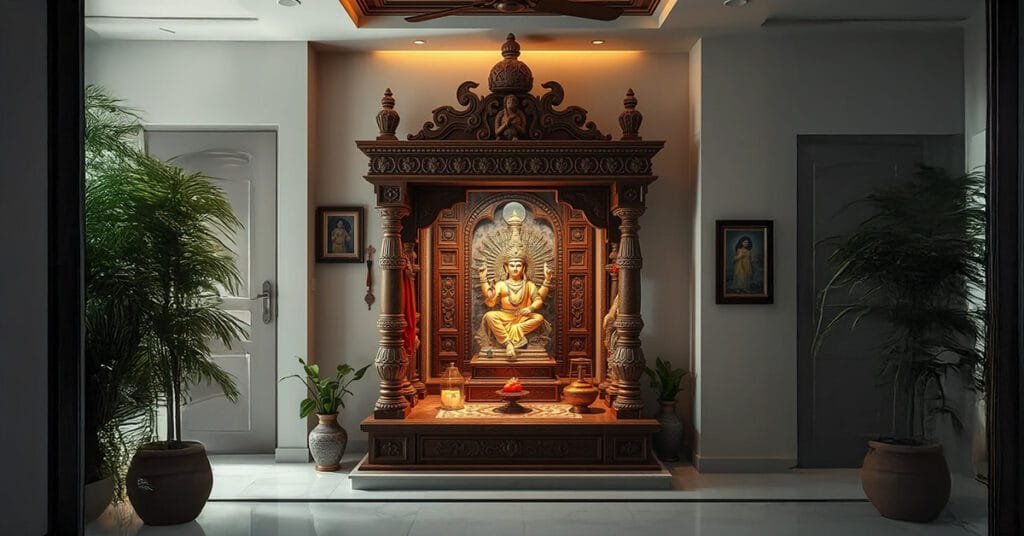
Creating a sacred space in your home through a well-designed mandir is both an art and a spiritual endeavor. Whether you’re planning a traditional wooden temple or a modern, space-saving design, this comprehensive guide will walk you through everything you need to know to create the perfect home mandir. Table of Contents Understanding Mandir Styles Traditional Designs Traditional mandirs exude timeless beauty through intricate craftsmanship. Popular options include: Wooden Mandirs Marble Mandirs South Indian brass-accented styles North Indian Jali-work patterns Modern Approaches Contemporary home mandirs focus on: Space Planning and Layout Essential Components Every home mandir should include: Material Selection Different materials offer unique benefits: Vastu Guidelines Follow these key Vastu principles: Decoration and Lighting Create the perfect ambiance with: Pro Tips for Perfect Mandir Design Frequently Asked Questions Q: What is the minimum space needed for a home mandir?A: A basic mandir can be created in as little as 2×2 feet, though 3×4 feet is ideal for comfortable worship. Q: Which wood is best for mandir construction?A: Teak wood is considered the best due to its durability and resistance to decay. However, cedar and rosewood are also excellent options. Q: Can I place my mandir facing south?A: While northeast is ideal, east or north-facing mandirs are acceptable alternatives. South-facing mandirs are generally not recommended per Vastu principles. Q: How high should the mandir be from the floor?A: The mandir platform should be at least 6-8 inches above floor level, with the main deity at eye level when seated. Q: What type of lighting is recommended?A: A combination of natural light and warm artificial lighting works best. LED strips, traditional diyas, and focused spotlights can create the perfect ambiance. Q: How do I maintain wooden mandirs in humid climates?A: Use water-resistant sealants, ensure proper ventilation, and consider dehumidifiers during monsoon seasons. Q: Can I combine modern and traditional elements?A: Yes, hybrid designs can work beautifully when elements are thoughtfully combined. Consider using traditional carvings with modern materials or contemporary lighting with classical architecture. Conclusion Creating your home mandir is a deeply personal journey that combines spiritual significance with practical considerations. Whether you choose a traditional or modern design, the key is to create a sacred space that resonates with your beliefs while functioning seamlessly within your home. Remember that your mandir will be a focal point for spiritual practice and family gatherings, so take time to plan and execute its design thoughtfully. Remember to maintain your mandir regularly and create a peaceful atmosphere around it. With proper planning and consideration of the elements discussed in this guide, you can create a beautiful and sacred space that will serve as your family’s spiritual center for years to come.