
Bathroom interior design in India is a blend of traditional elements and modern aesthetics. This article explores various design ideas, incorporating traditional motifs, Vastu Shastra principles, and contemporary trends to create harmonious and functional spaces.
Key Elements of Bathroom Designs
- Traditional Indian Bathroom Design
- Modern Trends in Indian Bathroom Design
- Combining Traditional and Contemporary Elements
- Conclusion
Traditional Indian Bathroom Design
Vastu Shastra Principles
Vastu Shastra, the ancient Indian science of architecture, plays a crucial role in bathroom design. It guides the placement of elements to ensure positive energy flow and harmony within the space. The selection of materials and colors also reflects these principles, enhancing the connection with nature and creating a balanced environment.
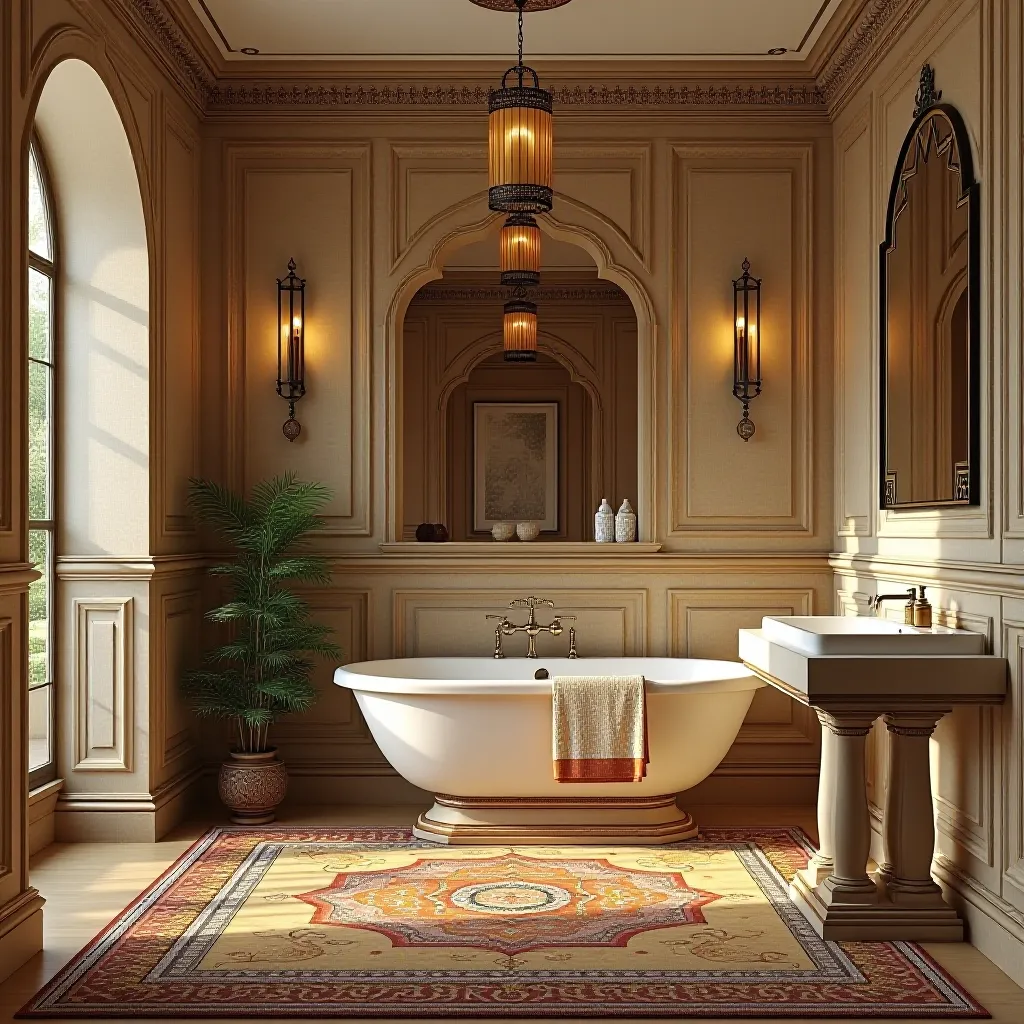
Traditional Elements
Incorporating traditional elements such as
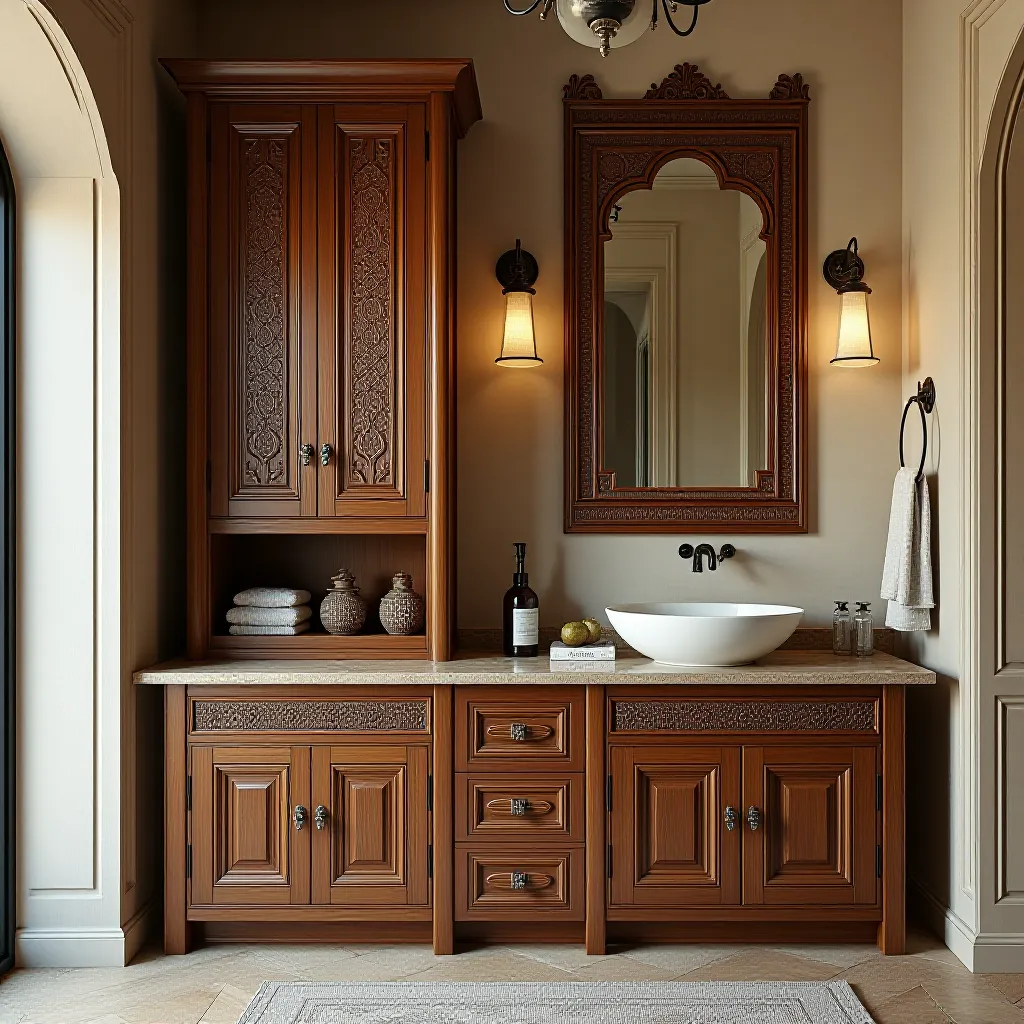
- Hand-carved wooden cabinets
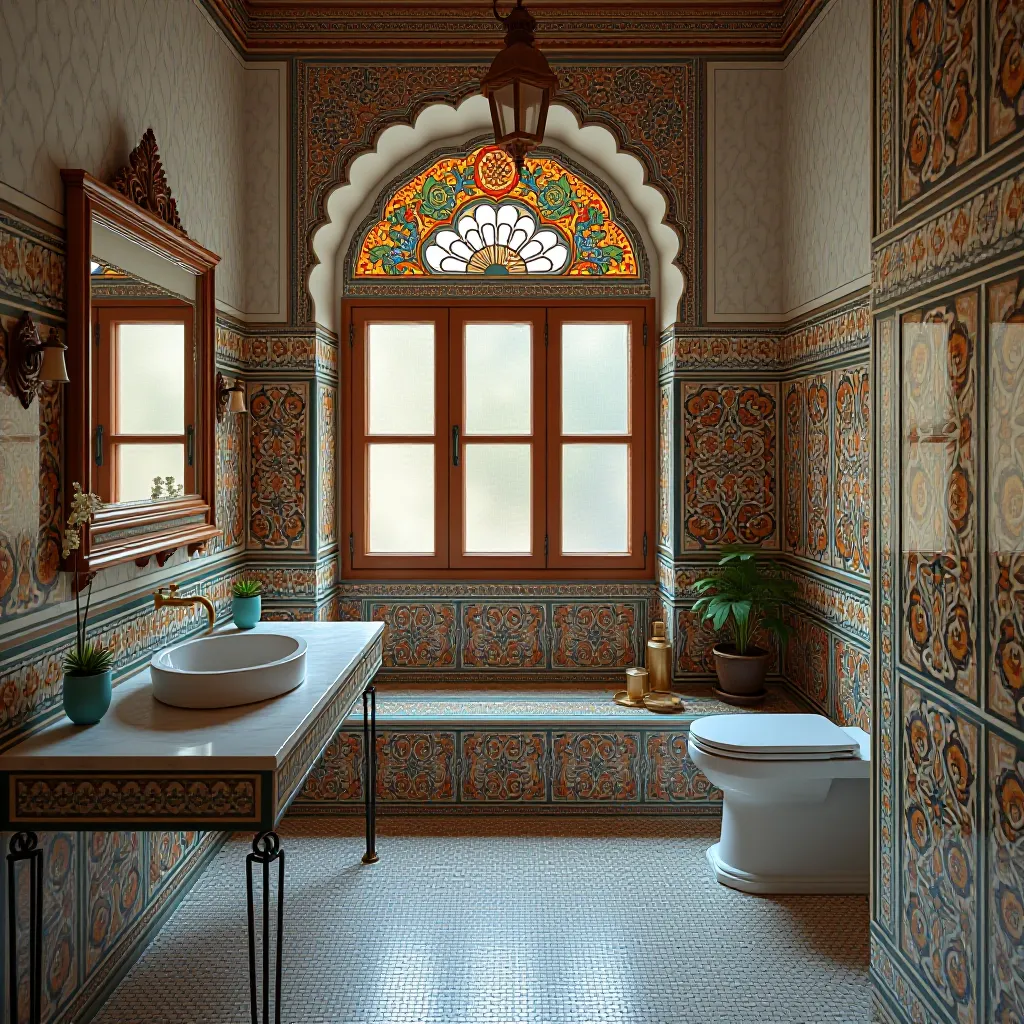
- Intricate mosaic tile work, and
- Traditional motifs
Hand-carved wooden cabinets
Intricate mosaic tile work
Traditional motifs
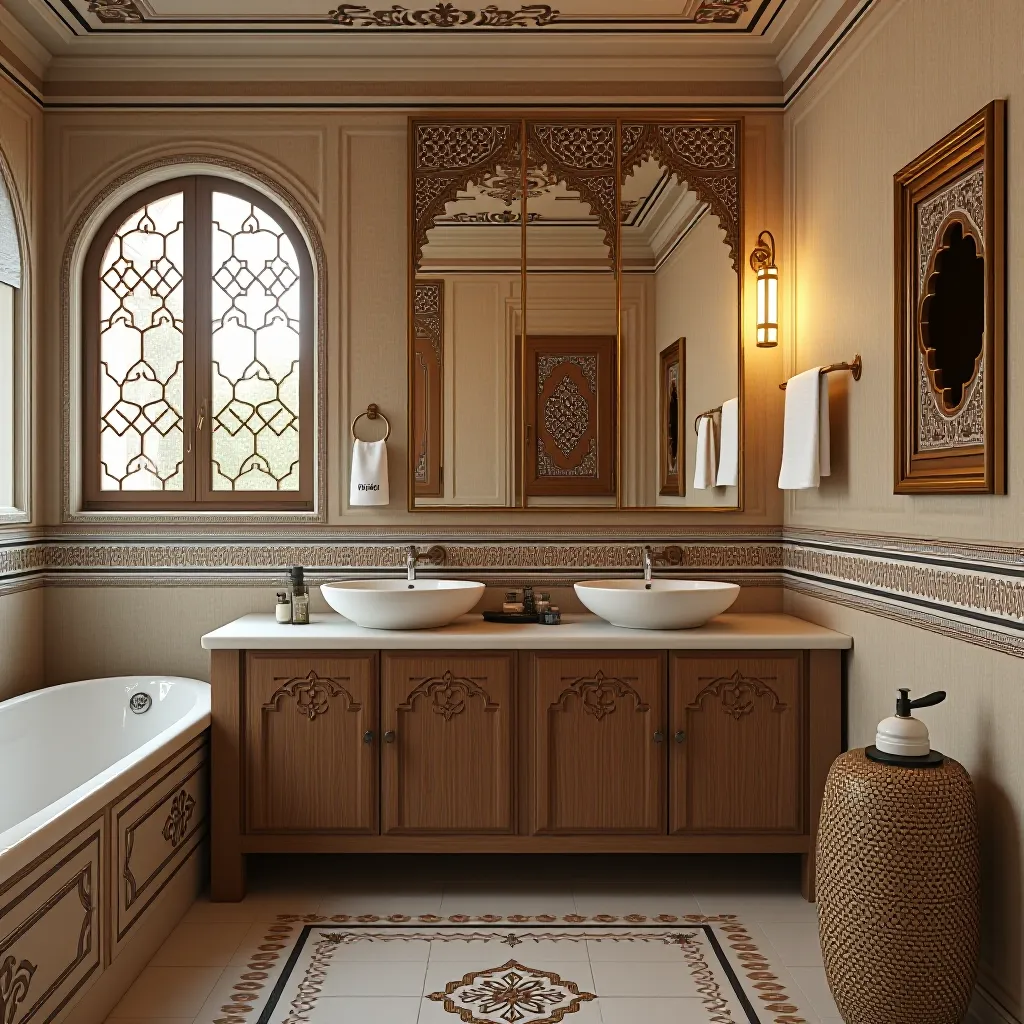
can transport the bathroom into a realm of timeless elegance. These elements not only add aesthetic value but also connect the space with India’s rich cultural heritage.
Luxurious Materials
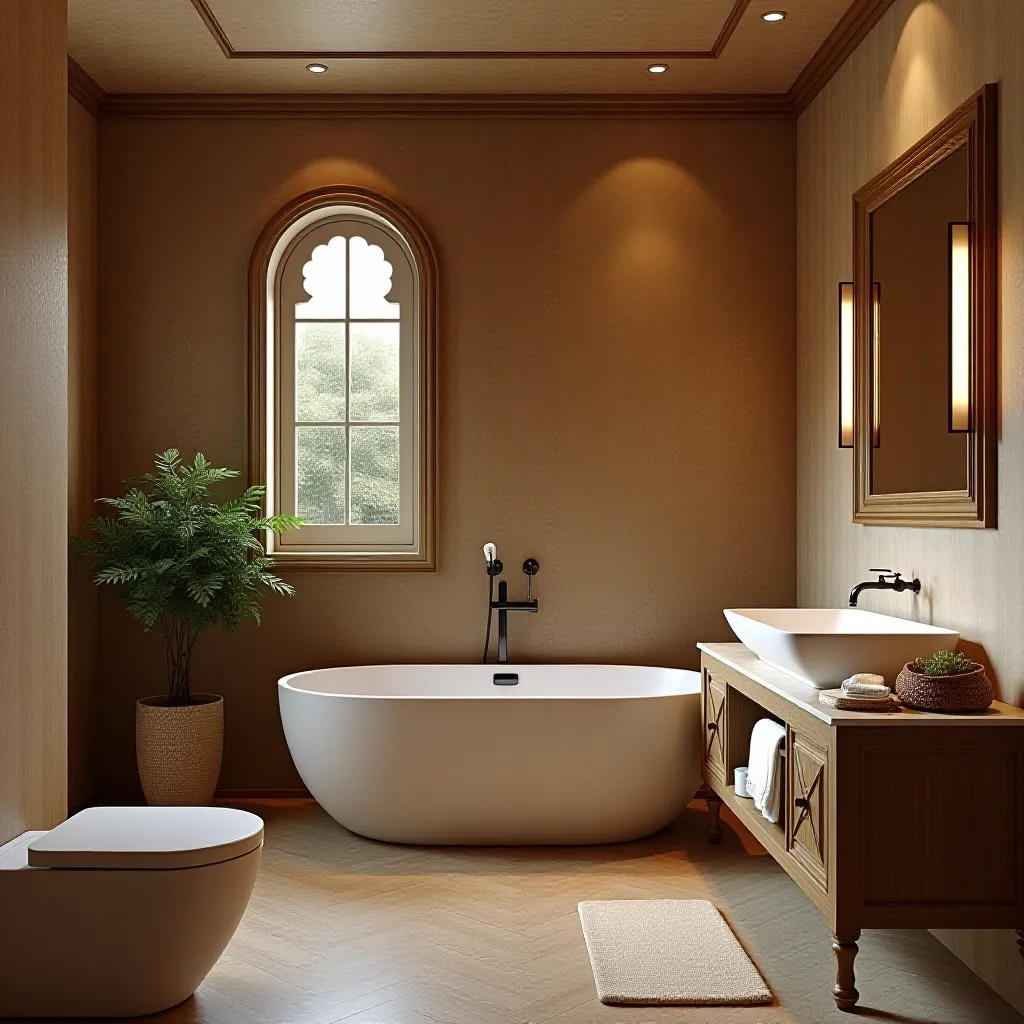
Traditional Indian bathrooms often feature luxurious materials and intricate carvings, embodying the intersection of luxury and spirituality.
- Earthy tones and
- Vibrant hues
Earthy tones
Vibrant hues
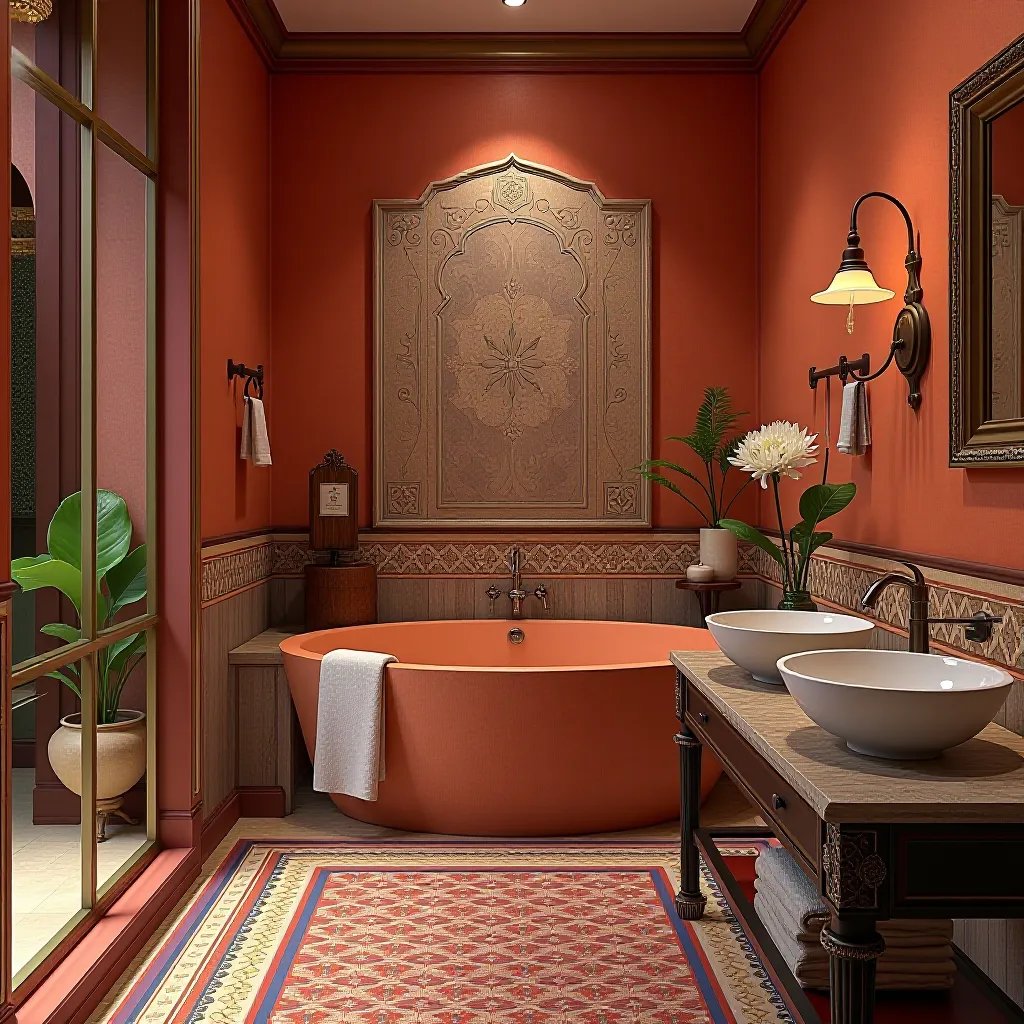
are commonly used to enhance the connection with nature and create a harmonious space.
Modern Trends in Indian Bathroom Design
Use of Colors and Materials
Modern Indian bathrooms often use
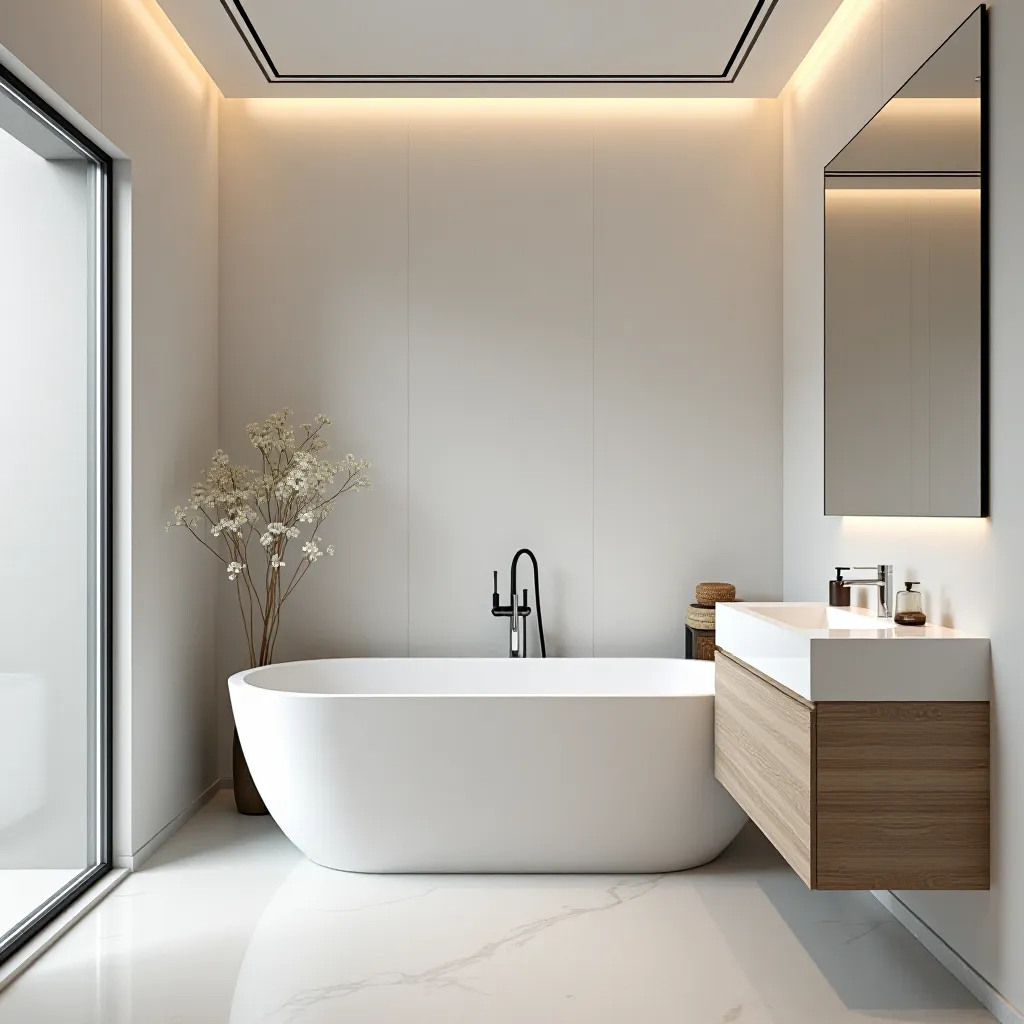
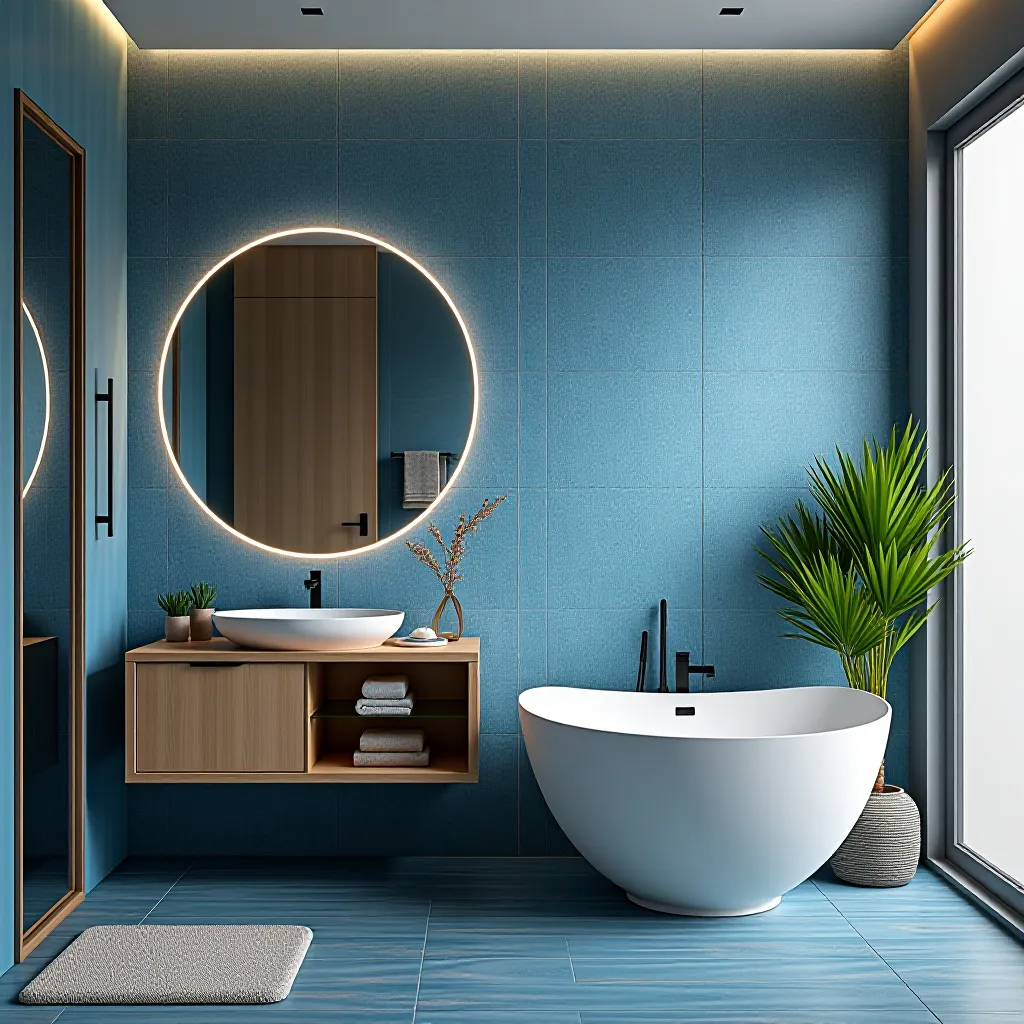
- Neutral shades such as white, which remain a favorite for bathroom walls. However, incorporating shades like
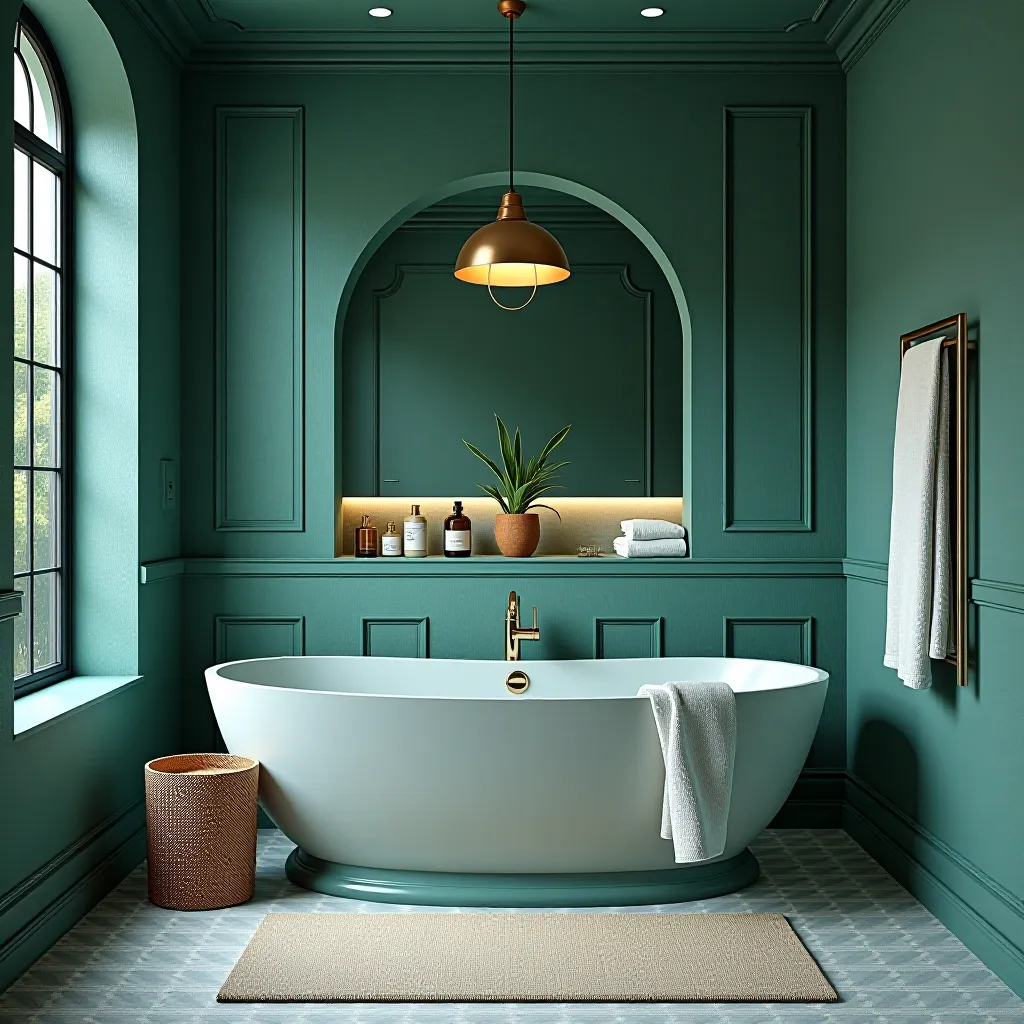
- Teal or blue can help hide dirt and add a touch of color. The use of tiles and concrete on some walls is also a popular trend.
White Color
Teal Color
Blue Color
Floating Vanities and Cabinets
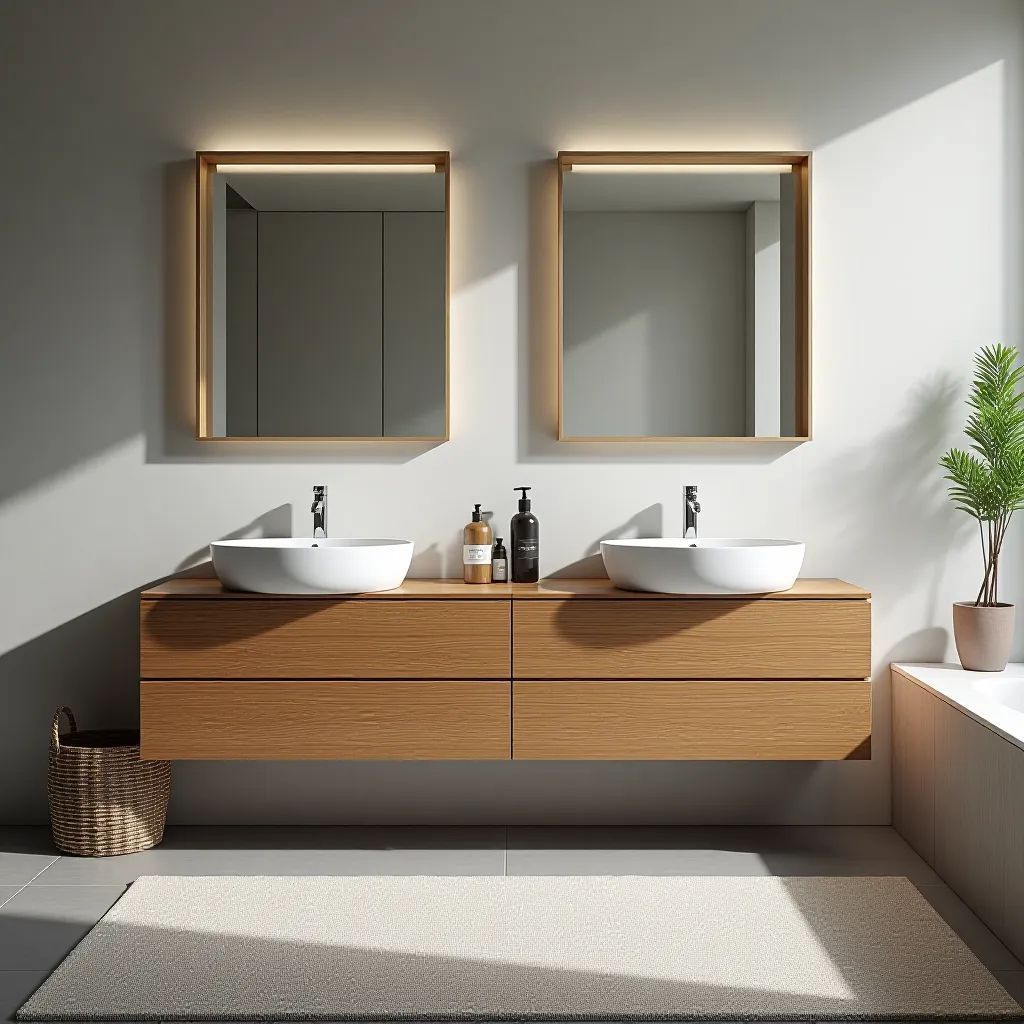
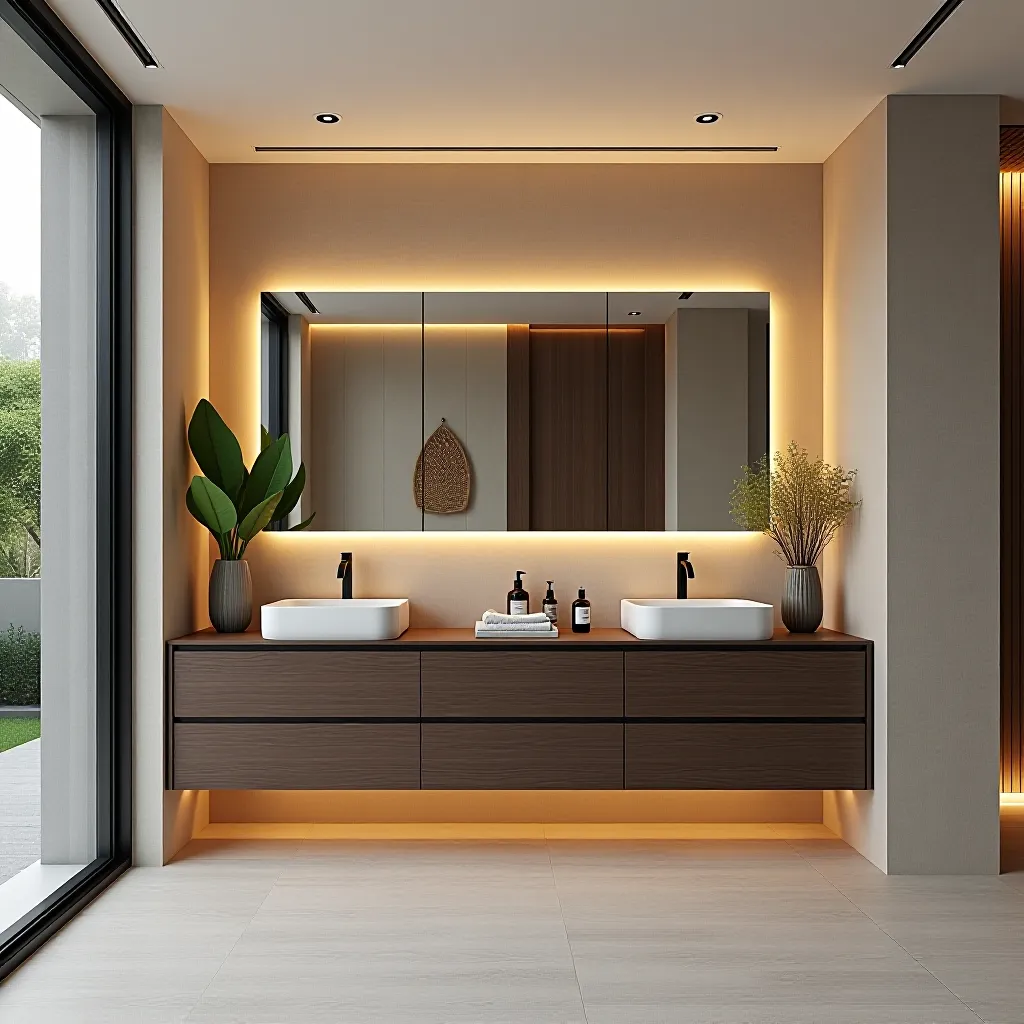
- Floating vanities and
- Floating cabinets
are a contemporary design choice that helps save space and create a sleek look. These elements are particularly useful in smaller bathrooms, providing storage without cluttering the space.
Floating vanities
Floating cabinets
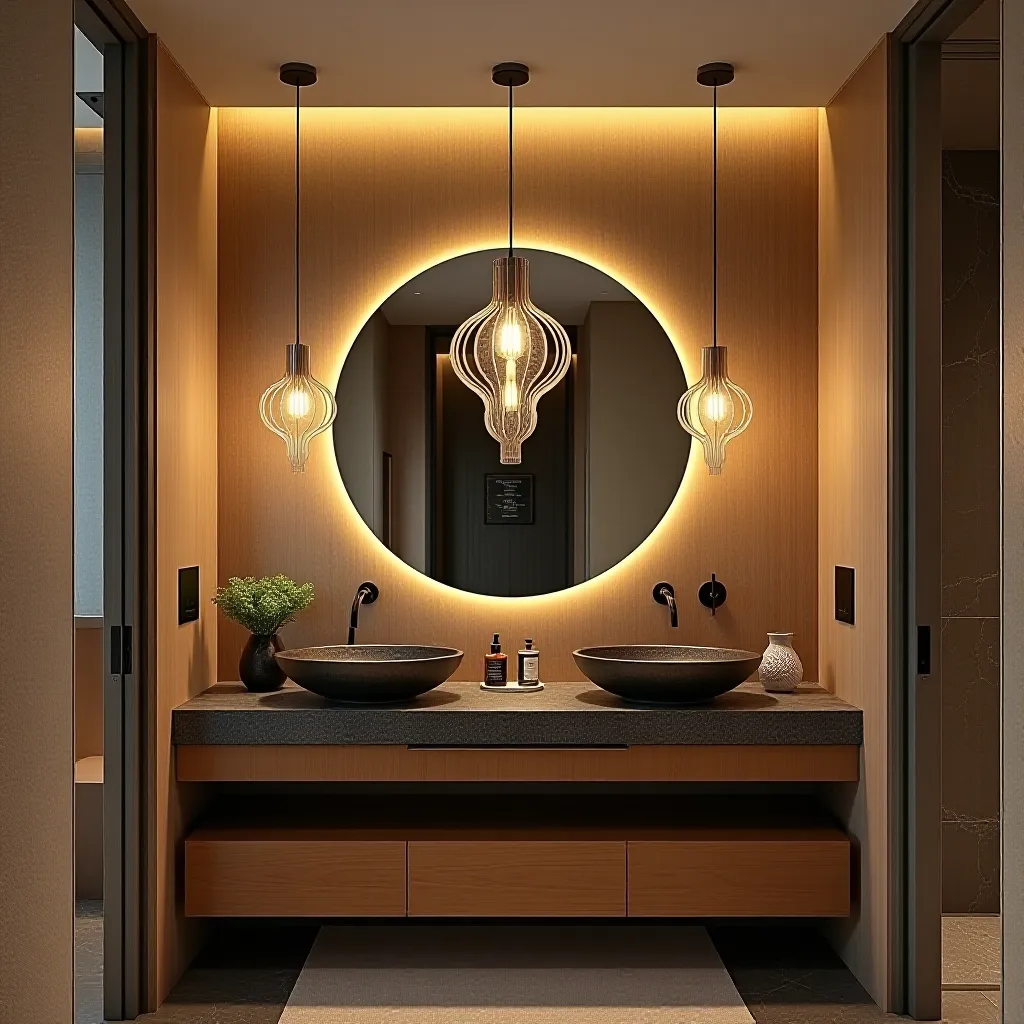
Unique Lighting and Mirrors
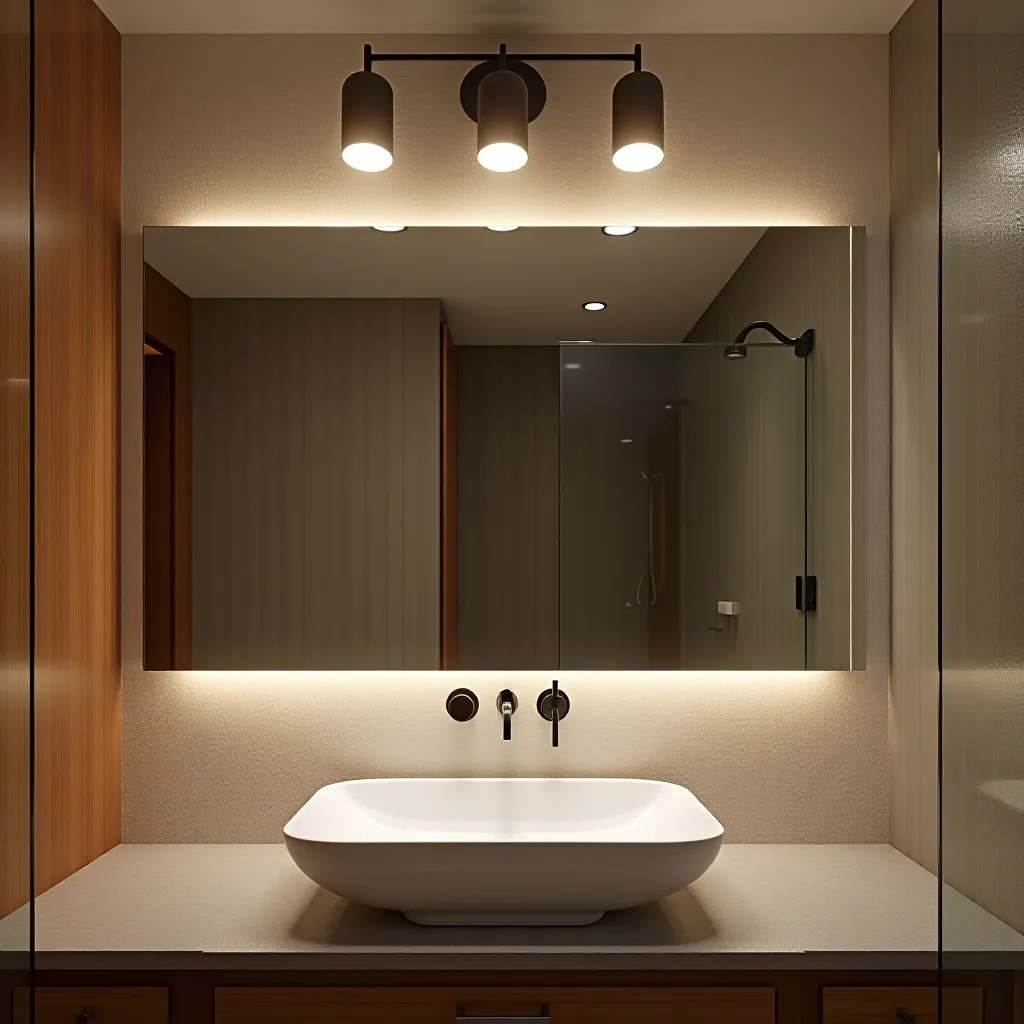
Unique lighting fixtures such as
- Spotlights and
- Pendant lights
can add a statement to the bathroom. Additionally, using attractive mirrors can enhance the overall aesthetic and create an illusion of space.
Spotlights
Pendant lights
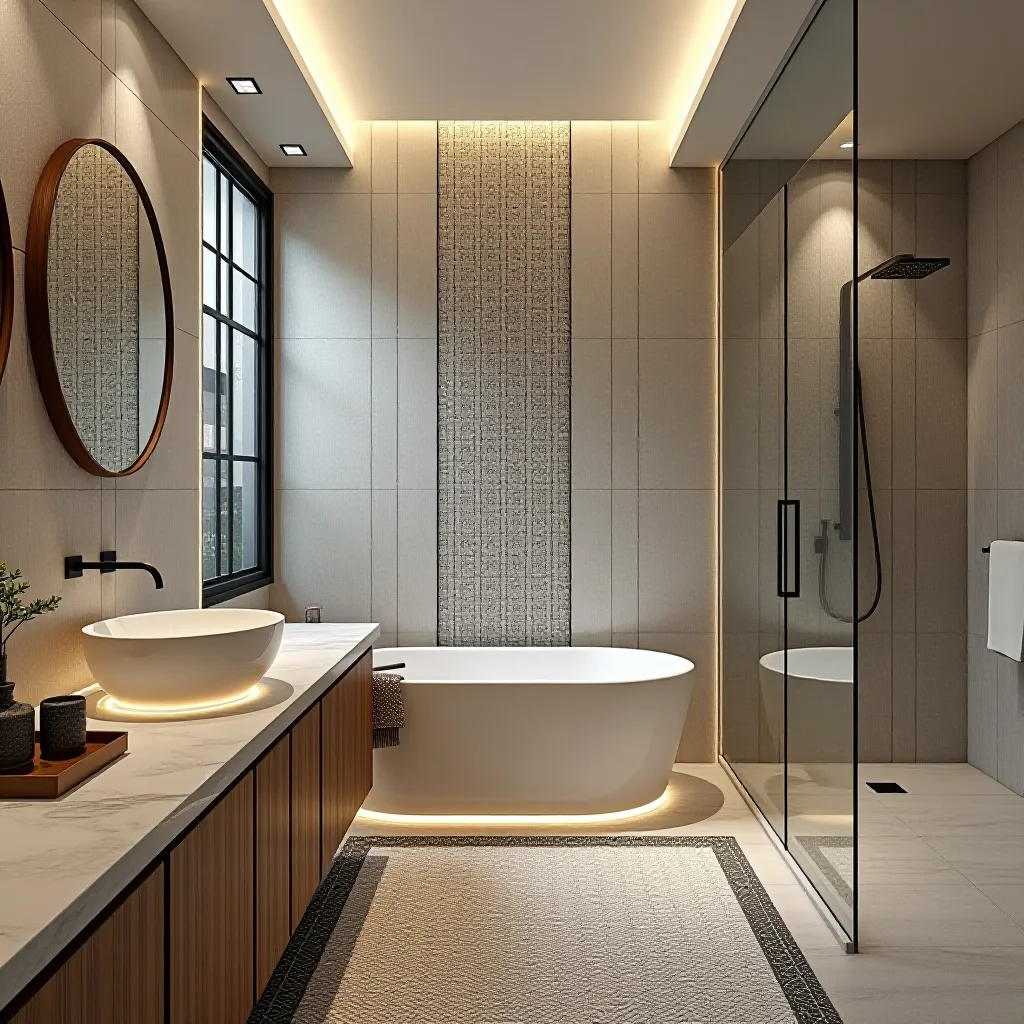
Patterned Tiles and Unique Flooring
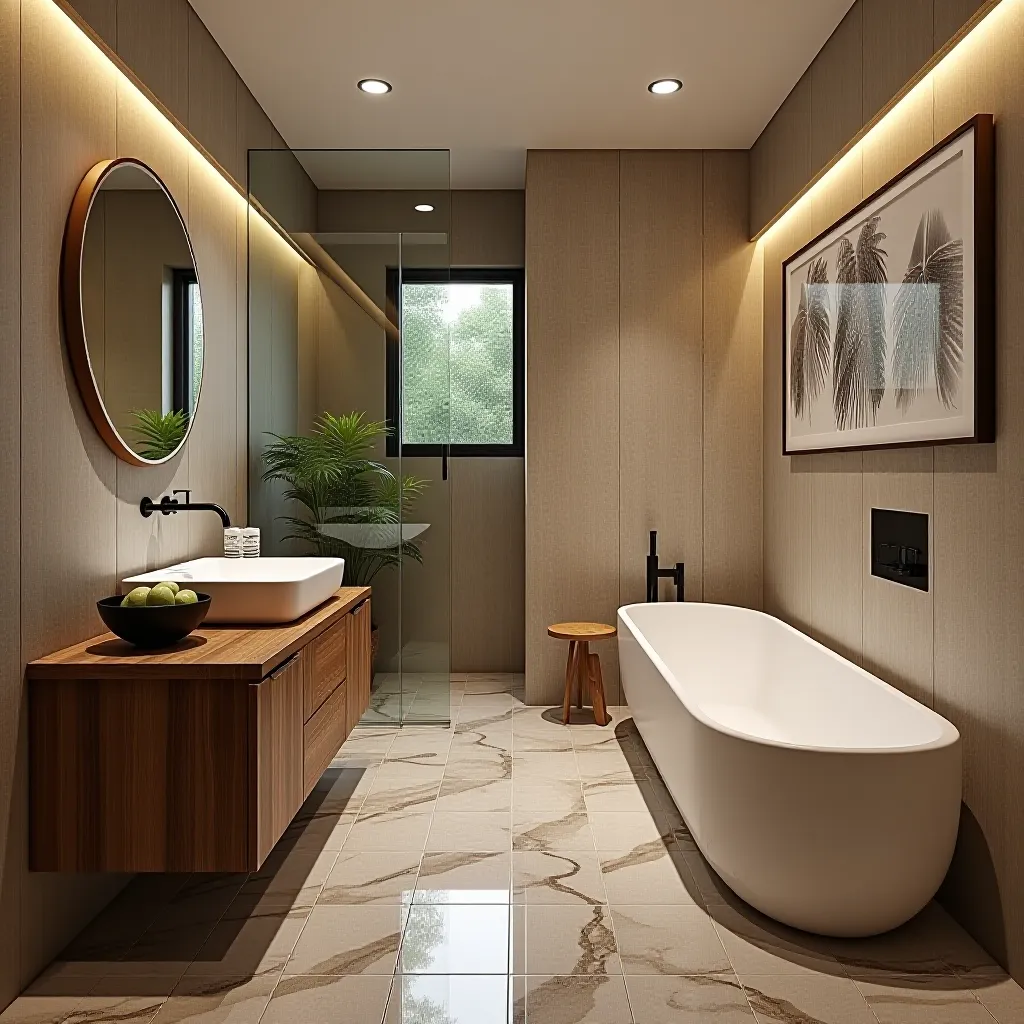
- Patterned tiles and
- Unique flooring
preferences are trending in Indian bathroom design. These elements add visual interest and can be used to create focal points within the space.
Patterned tiles
Unique flooring
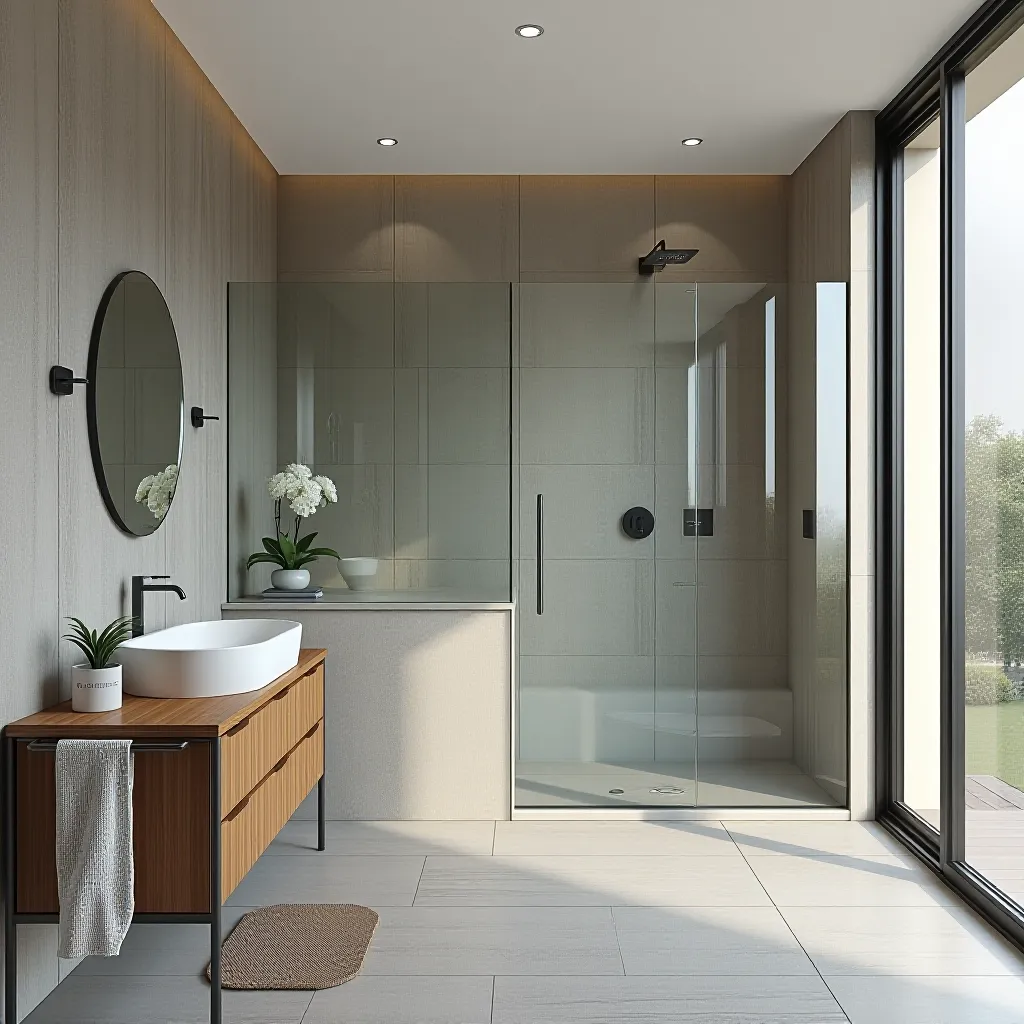
Glass Partitions
Glass partitions are used to segregate the bathing area from the rest of the bathroom, maintaining a clean and organized look.
Combining Traditional and Contemporary Elements
Eclectic Combinations
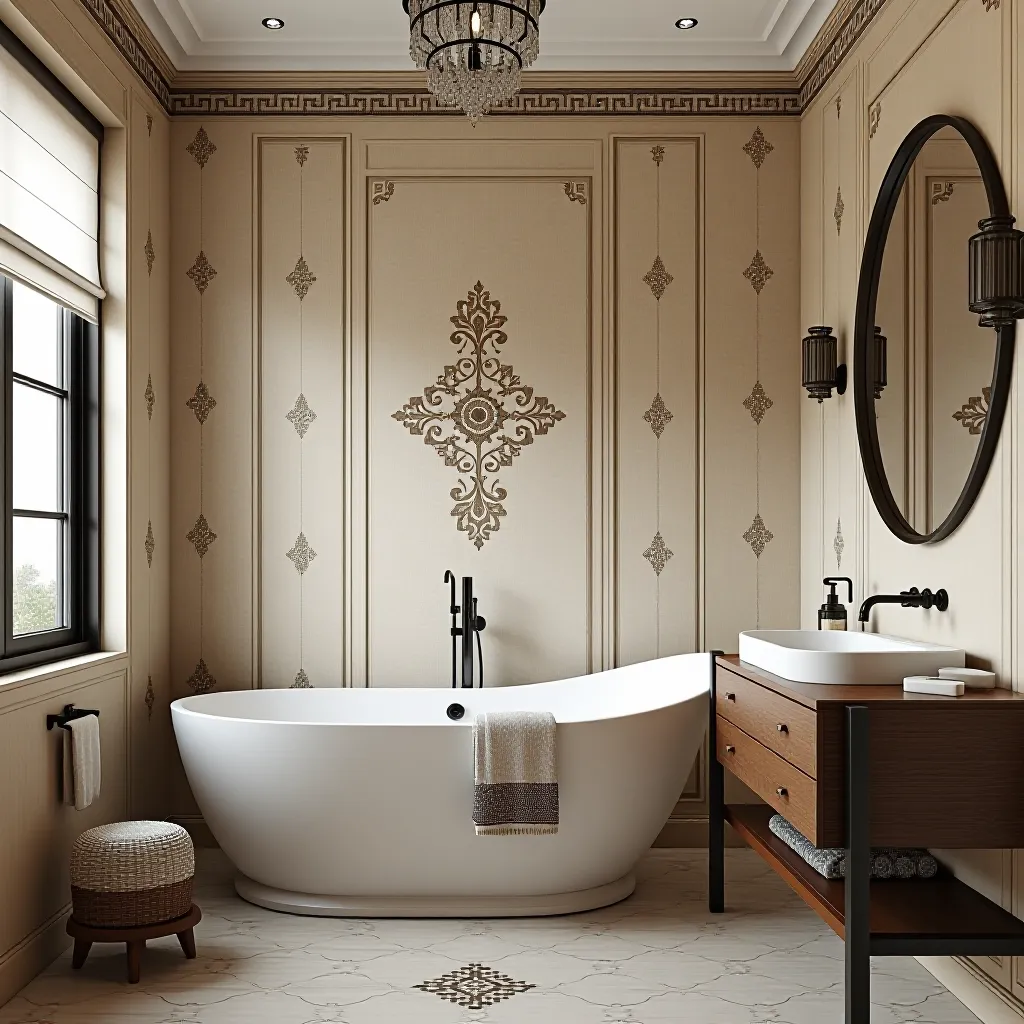
An eclectic combination of traditional and contemporary elements can create a unique and personalized bathroom space. This approach allows for the incorporation of traditional motifs and modern fixtures resulting in a balanced and harmonious design.
Decorative Elements
Adding decorative elements such as
- Indian motifs,
- patterns, and
- accessories
can personalize the space and reflect individual tastes. These elements can be interspersed with modern fixtures to create a cohesive design.
Indian motifs, patterns, and accessories
Use of Natural Light and Greenery
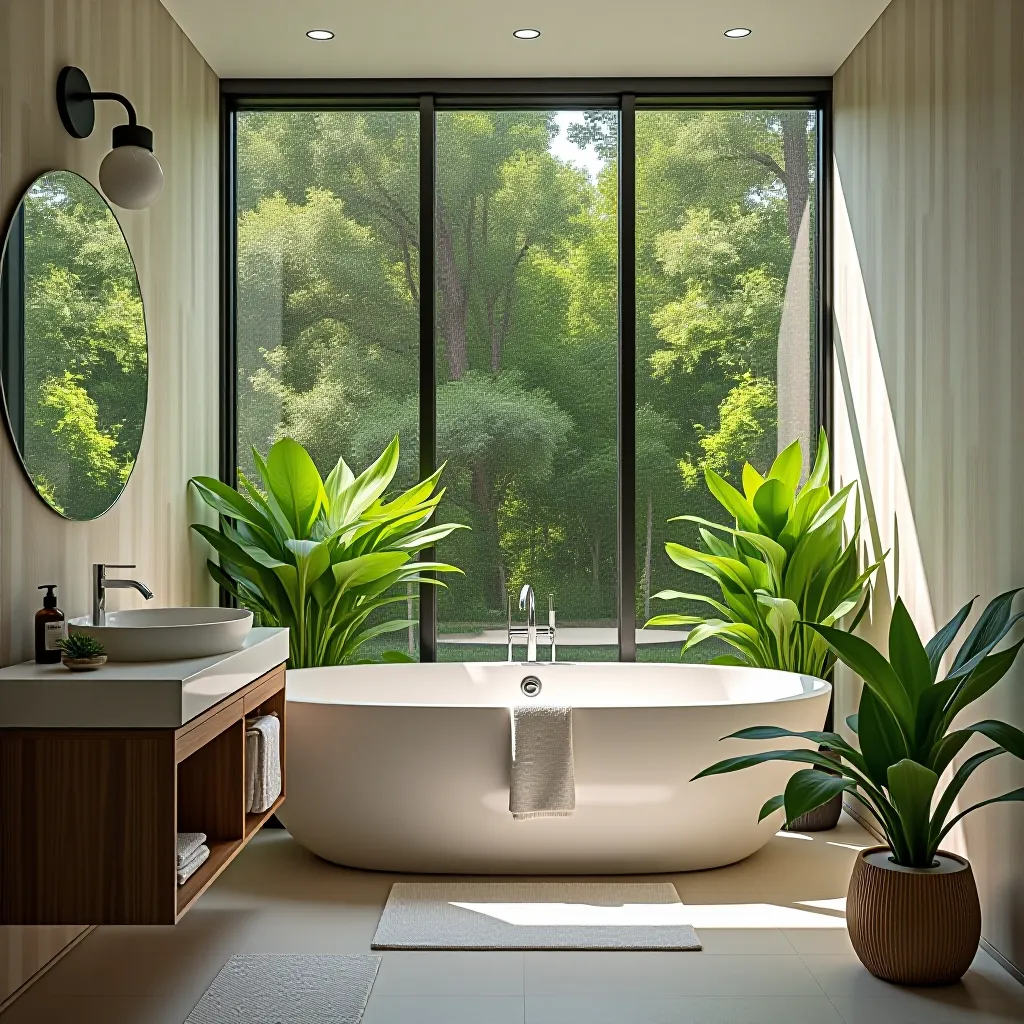
Incorporating
- Natural light and
- Greenery
can enhance the bathroom’s ambiance and create a refreshing environment. Large window frames and the addition of planters at different corners of the bathroom are popular choices.
Natural light & Greenary
Conclusion
Bathroom interior design in India is a blend of traditional and modern elements, guided by principles such as Vastu Shastra and contemporary trends. By incorporating traditional motifs, luxurious materials, and modern fixtures, one can create a harmonious and functional bathroom space that reflects India’s rich cultural heritage and modern aesthetics.