
Creating a sacred space in your home through a well-designed mandir is both an art and a spiritual endeavor. Whether you’re planning a traditional wooden temple or a modern, space-saving design, this comprehensive guide will walk you through everything you need to know to create the perfect home mandir.
Table of Contents
- Understanding Mandir Styles
- Space Planning and Layout
- Material Selection
- Vastu Guidelines
- Decoration and Lighting
- Pro Tips for Perfect Mandir Design
- Frequently Asked Questions
Understanding Mandir Styles
Traditional Designs
Traditional mandirs exude timeless beauty through intricate craftsmanship. Popular options include:
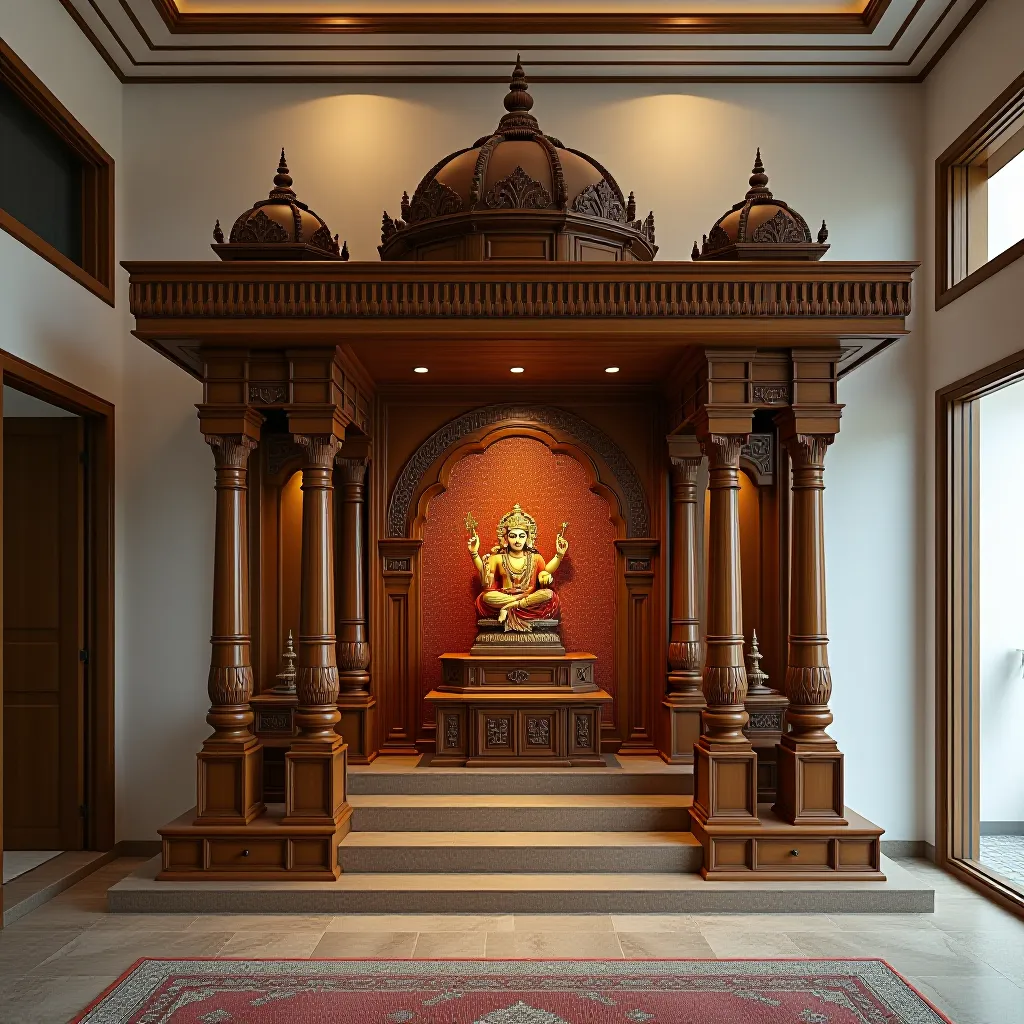
- Wooden Mandirs: Crafted from premium teak wood, featuring detailed carvings and architectural elements like domes and pillars
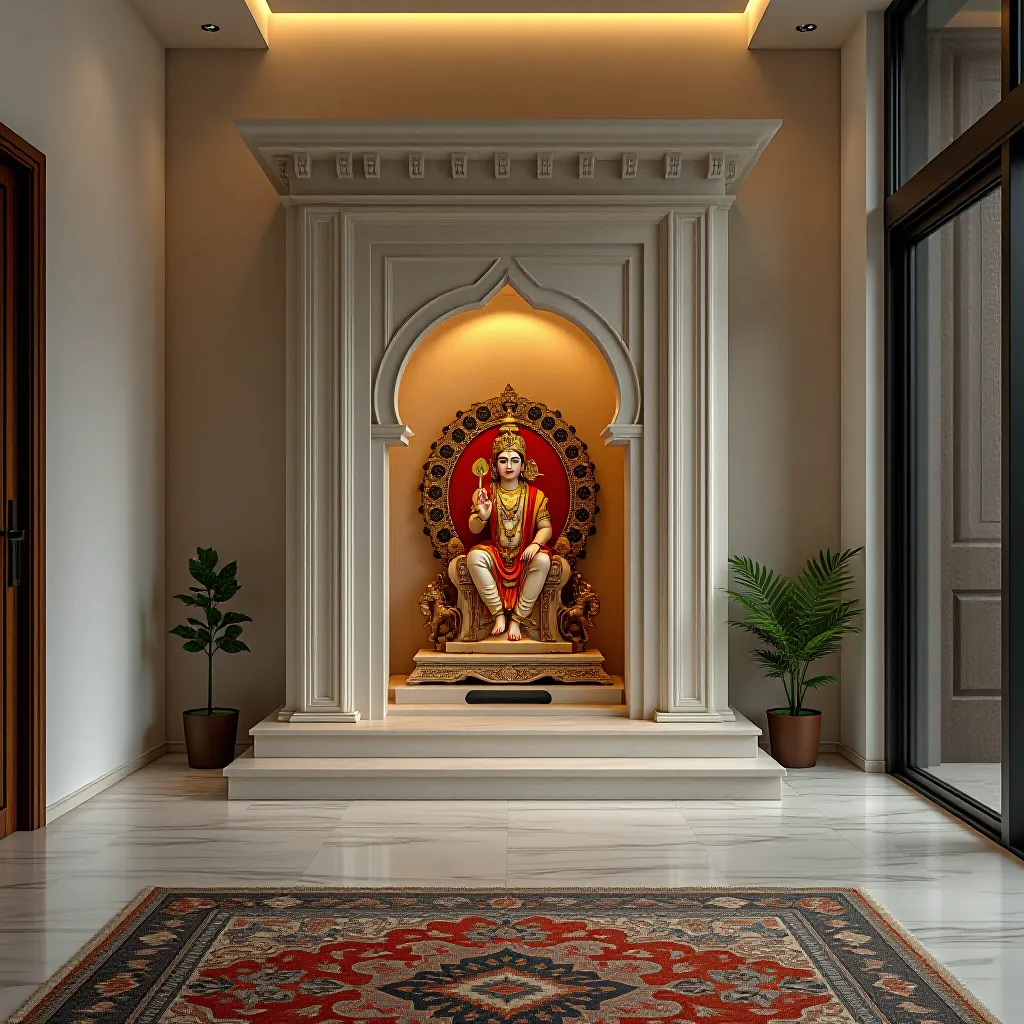
- Marble Mandirs: Known for their pristine appearance and durability, perfect for creating a serene atmosphere
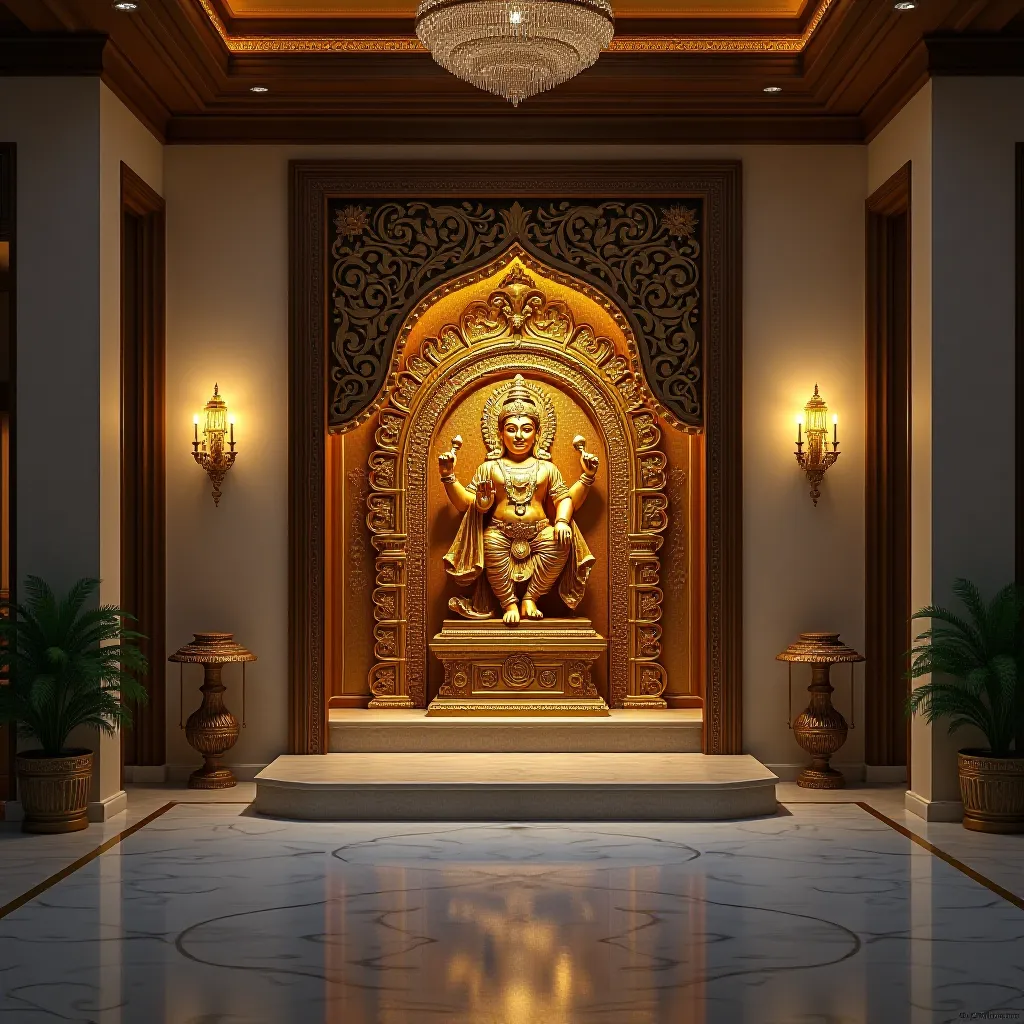
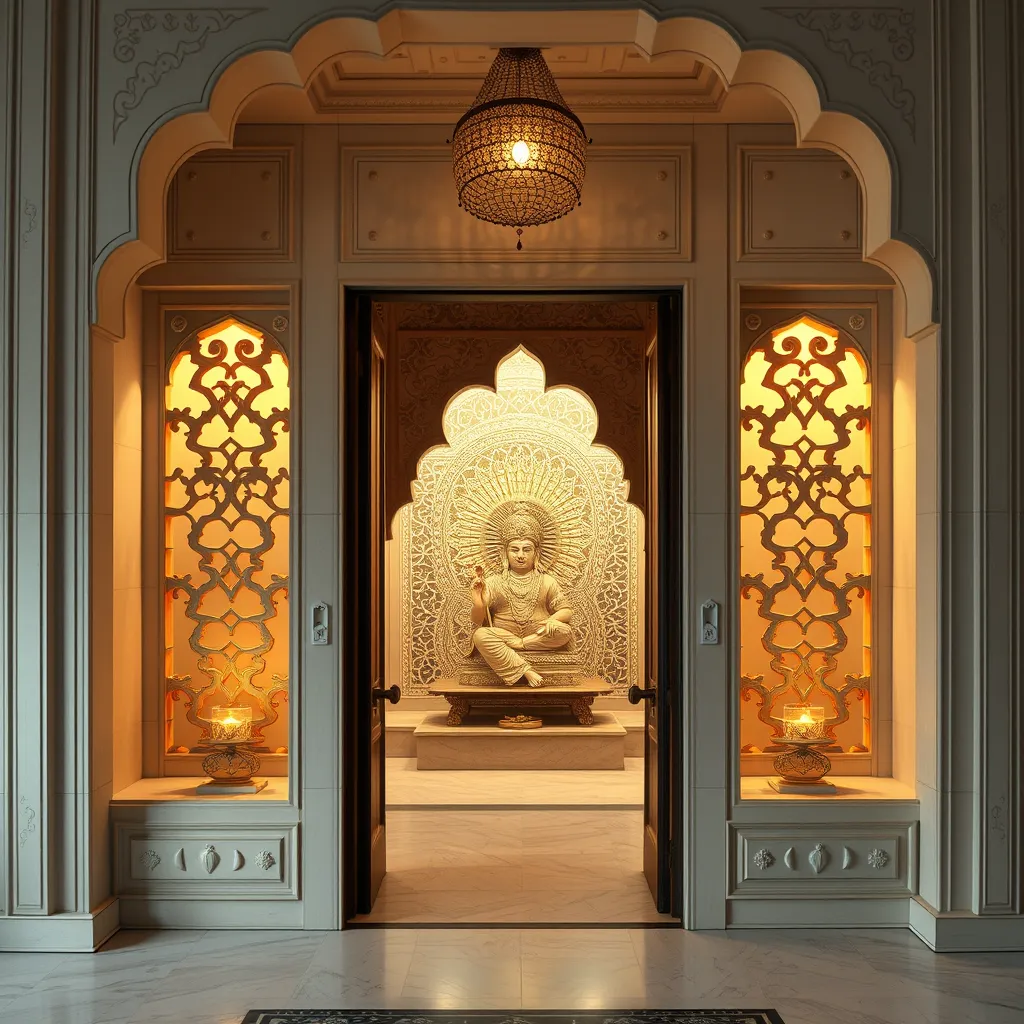
- Regional Variations: Designs varying from South Indian brass-accented styles to North Indian Jali-work patterns
Wooden Mandirs
Marble Mandirs
South Indian brass-accented styles
North Indian Jali-work patterns
Modern Approaches
Contemporary home mandirs focus on:
- Minimalist Designs: Clean lines and subtle colors that complement modern interiors
- Space-Saving Solutions: Wall-mounted and furniture-integrated options
- Mixed Materials: Innovative use of metal, glass, and engineered wood
Space Planning and Layout
Essential Components
Every home mandir should include:
- Space for deity idols and images
- Area for pooja thali and ritual items
- Storage for holy books and prayer materials
- Proper ventilation for incense and diya
- Sufficient space for seated worship
Material Selection
Different materials offer unique benefits:
- Wood: Symbolizes growth and prosperity
- Marble: Represents purity and peace
- Granite: Offers durability and stability
- Metal: Provides energy conductivity
- Acrylic: Suits contemporary aesthetics
Vastu Guidelines
Follow these key Vastu principles:
- Place mandir in the northeast corner when possible
- Ensure deities face east or west
- Keep mandir elevated from the floor
- Maintain distance from bathrooms and staircases
Decoration and Lighting
Create the perfect ambiance with:
- Traditional brass or silver lamps
- LED strip lighting for modern touch
- Fresh flowers and garlands
- Bells and other ritual items
- Backlit panels for dramatic effect
Pro Tips for Perfect Mandir Design
- Planning Phase
- Measure your space twice before finalizing designs
- Consider future expansion needs
- Plan for electrical outlets for lighting
- Account for ventilation needs
- Design Selection
- Choose designs that complement your home’s architecture
- Consider maintenance requirements
- Balance aesthetics with functionality
- Plan for storage needs
- Material Selection
- Invest in quality materials for longevity
- Consider local climate effects on materials
- Choose easy-to-clean surfaces
- Mix materials thoughtfully for visual interest
- Space Optimization
- Use vertical space effectively
- Install built-in storage where possible
- Plan for comfortable seating area
- Create proper circulation space
- Maintenance Planning
- Select materials that age well
- Plan for easy cleaning access
- Consider humidity control
- Install proper lighting for maintenance
Frequently Asked Questions
Q: What is the minimum space needed for a home mandir?
A: A basic mandir can be created in as little as 2×2 feet, though 3×4 feet is ideal for comfortable worship.
Q: Which wood is best for mandir construction?
A: Teak wood is considered the best due to its durability and resistance to decay. However, cedar and rosewood are also excellent options.
Q: Can I place my mandir facing south?
A: While northeast is ideal, east or north-facing mandirs are acceptable alternatives. South-facing mandirs are generally not recommended per Vastu principles.
Q: How high should the mandir be from the floor?
A: The mandir platform should be at least 6-8 inches above floor level, with the main deity at eye level when seated.
Q: What type of lighting is recommended?
A: A combination of natural light and warm artificial lighting works best. LED strips, traditional diyas, and focused spotlights can create the perfect ambiance.
Q: How do I maintain wooden mandirs in humid climates?
A: Use water-resistant sealants, ensure proper ventilation, and consider dehumidifiers during monsoon seasons.
Q: Can I combine modern and traditional elements?
A: Yes, hybrid designs can work beautifully when elements are thoughtfully combined. Consider using traditional carvings with modern materials or contemporary lighting with classical architecture.
Conclusion
Creating your home mandir is a deeply personal journey that combines spiritual significance with practical considerations. Whether you choose a traditional or modern design, the key is to create a sacred space that resonates with your beliefs while functioning seamlessly within your home. Remember that your mandir will be a focal point for spiritual practice and family gatherings, so take time to plan and execute its design thoughtfully.
Remember to maintain your mandir regularly and create a peaceful atmosphere around it. With proper planning and consideration of the elements discussed in this guide, you can create a beautiful and sacred space that will serve as your family’s spiritual center for years to come.